Research, objectives and work packages at a glance.
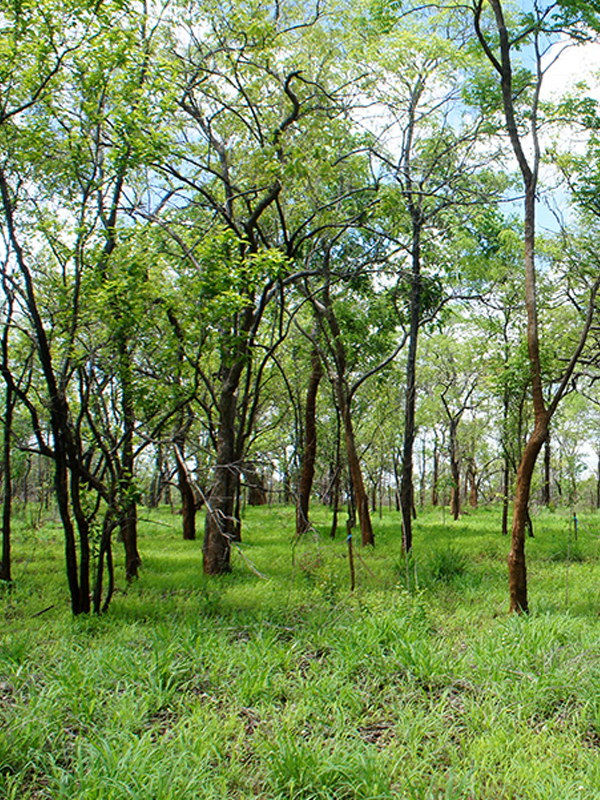
Transformative knowledge for people, forests and climate in Tanzania
This project brings together universities and community organisations in Tanzania to critically examine the use of digital citizen science in ongoing forest carbon and resilience initiatives. We investigate how and to what extent digital citizen science can empower citizens and local knowledge systems, and what the implications are for policy and practice.
Overall Objective
Sustainable development in Tanzania, and global learning on public participation in climate governance.
Immediate Objective
To produce insights and increase research capacities on how and to what extent digital citizen science can support climate-related forest governance and decolonise knowledge systems for resilient development policies.
We address four research questions, each engaging one of the knowledge gaps:
To what extent do digital citizen science projects in Tanzania incorporate Indigenous and local knowledge systems and address local community aspirations in climate- and nature-related forest governance?
How, why and to what extent do local communities engage, shape and adopt digital citizen science technologies, and what are the differences across wealth, gender and generations?
How and to what extent are citizen generated data applied in public climate- and nature-related forest management and decision-making, and how do different actor's agency and perceptions affect this?
To what extent do digital citizen science projects facilitate transformative knowledge systems in Tanzania, and how can national policies and institutional frameworks support this?
The project uses an interdisciplinary and participatory approach, combining digital citizen science, qualitative social research, GIS and remote sensing, and policy analysis. It operates across four study sites in Tanzania, working closely with local communities, government agencies, and civil society organisations to investigate knowledge systems, community engagement, and data governance in forest and climate management.
The project is organised into 4 thematic work packages, each led by a specialist team and contributing to the shared research objectives.
Identify and categorize the epistemological and ontological frameworks of the citizen science (CS) activities and technologies in the study areas. Identify ILK systems and local aspirations for forest use and governance. Examine whether and how digital CS activities in the study areas accommodate ILK systems and aspirations.
Investigate how, why and to what extent local communities engage, shape and adopt digital citizen science technologies, and what the differences are across wealth, gender and generations. Conducted through questionnaire surveys, qualitative interviews, focus groups, and photovoice methods.
Examine how and to what extent citizen generated data are applied in public climate- and nature-related forest management and decision-making, and how different actors' agency and perceptions affect this. Includes surveys of public forest sector staff and process studies.
Examine to what extent digital citizen science projects facilitate transformative knowledge systems in Tanzania, and how national policies and institutional frameworks can support this. Synthesises results from WP1-3 and engages policy actors at national and international levels.
University of Dodoma, University of Dar es Salaam, University of Copenhagen, Danish Institute for International Studies (DIIS), UNEP-WCMC, MCDI, PINGO's Forum, TFCG
Browse publications, meet the team, and follow our research students.
